

Travel Insurance for Ukraine Peace of Mind for Your Trip
Traveling to Ukraine requires specialized travel insurance that covers war-related risks, medical evacuation, and trip disruptions, as most standard policies exclude active conflict zones. Choosing a plan from a provider that explicitly covers regions under military risk ensures financial protection for unexpected injuries, cancellations, or emergency repatriation. Always verify coverage for war and political violence before your departure to travel with peace of mind.
Why Standard Travel Policies Often Fall Short for Ukraine
Standard travel policies often fall short for Ukraine due to their reliance on blanket risk assessments that fail to account for the country’s rapidly shifting security landscape. While many providers still classify the entire nation as a high-risk zone, large areas in the west and center remain relatively stable, making blanket restrictions impractical for business and aid travelers. The most significant gap is the lack of comprehensive war risk insurance for ground vehicles and cargo, which is typically excluded from standard plans. Additionally, medical evacuation clauses are frequently insufficient for active conflict zones. These policies also rarely address compensation for trip interruptions caused by missile strikes or airspace closures. Without specialized geopolitical coverage, travelers may face massive out-of-pocket costs for emergency transport, lost assets, or canceled logistics, undermining the very safety net insurance is meant to provide.
Q&A
Q: Can I buy standard travel insurance for Ukraine right now?
A: Most standard polices exclude claims related to war or civil unrest. You will likely need a specialist policy that explicitly covers armed conflict, which costs significantly more.
Exclusions in basic plans for active conflict zones
Standard corporate travel policies are a total mess when it comes to Ukraine. They’re usually built for stable, low-risk destinations, so they completely miss the wild swings in security and logistics on the ground. Ukraine travel risk management requires a flexible, real-time approach that rigid, pre-approved booking systems just can’t handle. You’ll run into issues like:
- Flight cancellations with zero notice, leaving travelers stranded.
- Sudden curfews or roadblocks that throw itineraries out the window.
- Hotels and safe zones changing availability daily.
Your standard per-diem is basically useless when a taxi ride costs triple due to security detours. Policies also fail to offer clear, actionable steps for rapid evacuation or local emergency contacts, leaving employees to figure it out alone. For Ukraine, you need a policy that lives and breathes—not one stuck in a handbook.
Reading the fine print on war and terrorism clauses
Standard travel policies just weren’t built for a country like Ukraine. Most generic insurance plans automatically deny claims if a government issues a “do not travel” advisory, which has been the case for Ukraine since 2022. This leaves travelers high and dry when they actually need help, like emergency evacuation or covering medical costs from war-related injuries. Specialized war risk insurance for Ukraine fills this gap, offering coverage that standard policies dodge. Common shortcomings include:
- Medical exclusions: Standard plans won’t pay for injuries from active conflict or explosive devices.
- Evacuation gaps: Routine policies rarely include security-led extraction from a war zone.
- Car rental and property loopholes: Damage from shelling or civil unrest is typically not covered.
If you’re traveling to Ukraine, don’t rely on a one-size-fits-all policy—it likely won’t protect you in reality.
How insurers assess risk level for Ukrainian regions
When Maria landed in Kyiv for a humanitarian aid mission, her company’s travel policy locked her into a rigid chain of approved hotels and rental cars that ignored the city’s nightly curfews and damaged roadways. Standard policies, designed for predictable business trips, fail in Ukraine’s volatile reality. They don’t account for rolling blackouts, closed airspace, or the sudden need to evacuate by train across a war zone. Adaptive travel protocols for active conflict zones are essential. A rigid policy lacks the flexibility for:
- Real-time route changes due to missile alerts.
- Cash-only payments where banking apps fail.
- Personalized risk assessments for each region.
Maria learned the hard way that a one-size-fits-all rulebook, written for safe boardrooms, is useless when the sirens wail just after check-in.
Key Coverage Areas to Prioritize for a Ukraine Trip
For a comprehensive Ukraine trip, prioritize **key coverage areas** that blend safety, logistics, and cultural immersion. Focus on western cities like Lviv and Uzhhorod, which offer rich history and lower risk, while ensuring robust travel insurance and real-time air raid alert apps. Include central regions like Kyiv for its resilient landmarks and political pulse. *Avoid any non-essential travel to active front-line zones in the east or south.* Secure transport via reputable train operators, not personal vehicles, and confirm embassy registration. Prioritizing these zones ensures a productive, secure journey while documenting Ukraine’s steadfast spirit.
Medical evacuation and emergency repatriation benefits
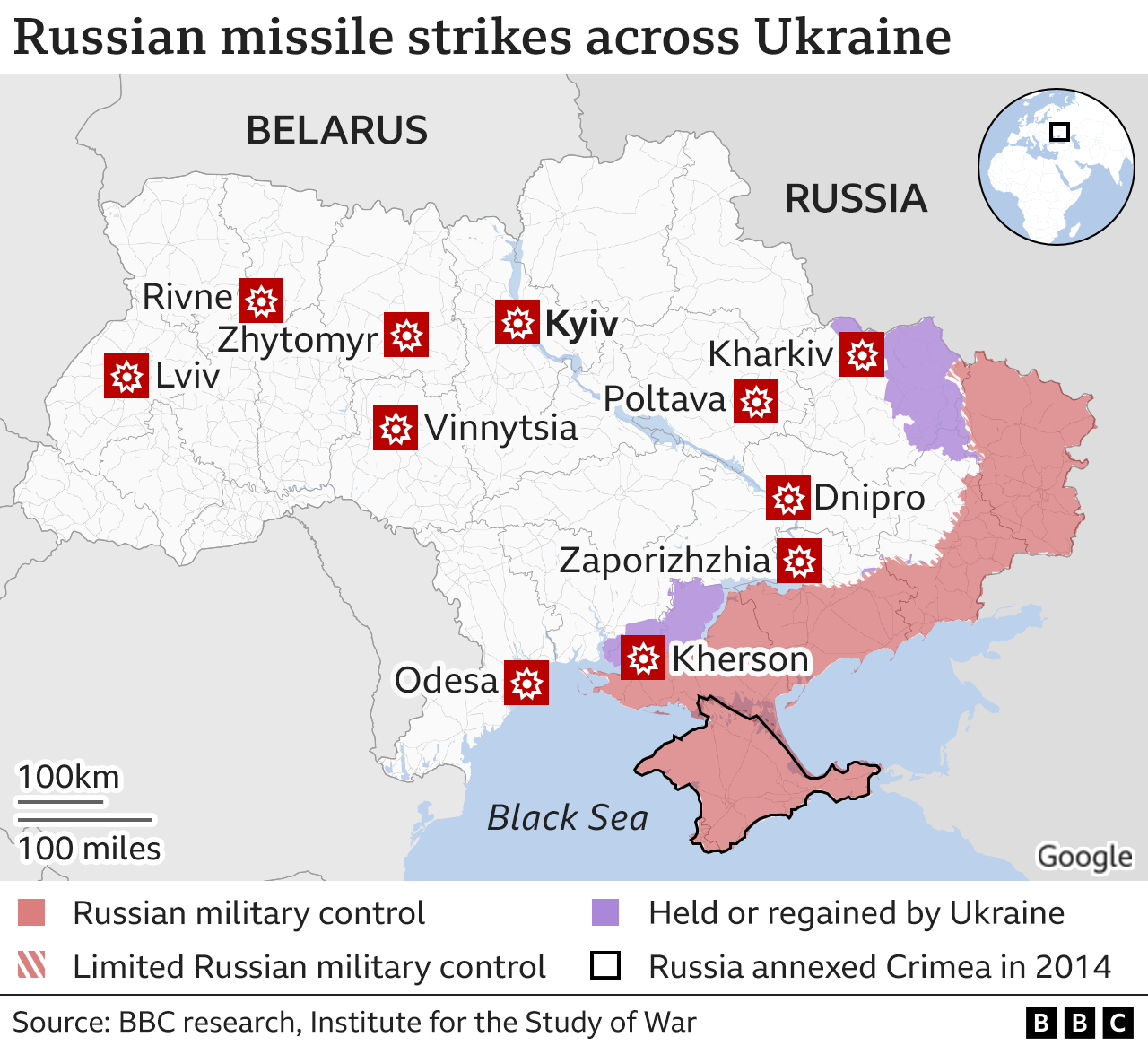
Essential Ukraine travel risk zones must be meticulously mapped before departure. Prioritize eastern and southern oblasts like Kharkiv, Donetsk, Zaporizhzhia, and Kherson for active combat risks, drone attacks, and ground minefields. Central regions including Kyiv and Dnipro face persistent missile threats, while western areas such as Lviv remain relatively safer. Key coverage includes evacuation routes to western borders with Poland and Slovakia.
- Active conflict zones: artillery & drone danger
- Infrastructure damage: power grids, bridges, hospitals
- Unexploded ordnance: rural areas, farmlands, forest edges
No destination in Ukraine is considered risk-free; verify real-time air alerts and local military restrictions daily.
Also scrutinize border crossing rules, fuel availability, and humanitarian corridors. Civilian medical evacuation support is non-negotiable for any itinerary. Secure comprehensive emergency communication plans and backup power sources.
Personal liability protection in a volatile environment
When planning a Ukraine trip, prioritize war-affected resilience and reconstruction zones in Kyiv, Lviv, and Odesa. These cities offer critical insights into modern conflict, civil defense, and cultural preservation. Key coverage areas include assessing infrastructure damage and aid distribution, documenting displaced communities, and analyzing economic adaptation. Focus on the humanitarian corridor operations in Kharkiv and the de-occupied territories of Bucha.
- Security & shelter logistics in active conflict zones
- Energy grid resilience and blackout mitigation efforts
- Military-civilian cooperation and volunteer networks
You cannot understand Ukraine’s future without witnessing how its people sustain daily life under systemic threat.
Coverage should center on the cultural identity preservation amid destruction, especially in UNESCO sites and religious landmarks. The most compelling stories emerge from grassroots recovery initiatives and frontline innovation. All reporting must prioritize verified safety protocols and local legal coordination.
Cancellation and interruption due to security escalations
For a strategic Ukraine trip, prioritize critical infrastructure and energy security zones. Assessing damage to the power grid, gas pipelines, and transport hubs in Kyiv, Kharkiv, and Odesa is essential. These systems directly impact recovery timelines and civilian survival. Next, focus heavily on humanitarian logistics corridors in frontline areas like Donetsk and Zaporizhzhia, where aid distribution faces constant disruption. Your ground assessment must also cover military defensive positions and mine clearance operations in reclaimed territories, as these dictate safe movement for reconstruction teams.
Deductibles and limits specific to high-risk destinations
When planning a trip to Ukraine, prioritize key coverage areas that ensure both safety and cultural immersion. Start with Kyiv, where resilient locals and historic sites like Saint Sophia Cathedral offer deep insights into the nation’s spirit. Then head west to Lviv for its UNESCO-listed old town and vibrant coffee culture, a stark contrast to the eastern frontlines. For a raw, sobering perspective on war, short visits to de-occupied towns like Bucha or Irpin are essential—but only with a local guide. Always check real-time military warnings before traveling east of the Dnipro River.
- Kyiv: Maidan, golden-domed monasteries, and contemporary art.
- Lviv & Carpathians: Austrian architecture, hiking, and hearty borscht.
- Odesa: Black Sea port, Potemkin Stairs, and avant-garde spirit.
- Safety zones: Central/western regions; avoid occupied areas near Kherson, Donetsk, or Zaporizhzhia without official press clearance.
Comparing Specialty Providers That Cover War Zones
When comparing specialty providers that cover war zones, the critical factor shifts from mere policy details to real-world execution and security infrastructure. Comprehensive risk management becomes the deciding metric, as top-tier firms like those used by NGOs and journalists don’t just offer evacuation insurance; they embed security liaisons and maintain real-time intelligence networks. These providers compete on extraction speed and medical reach, often deploying mobile surgical teams into active conflict regions rather than relying on distant hospitals. In contrast, standard travel insurers typically exclude these areas outright or demand astronomical premiums without offering on-the-ground support. The most dynamic operators leverage pre-placed crisis response teams and advanced telemedicine, ensuring that a client in a contested zone isn’t waiting for a bureaucrat to approve a rescue. Ultimately, the best coverage is defined not by a clause, but by the provider’s ability to operate under fire, making operational agility the true currency of safety in perilous environments.
Insurers known for political risk and conflict travel
Comparing specialty providers that cover war zones requires analyzing their unique risk models and rapid-response logistics. War zone insurance coverage differs sharply from standard travel policies, often focusing on emergency evacuation and kidnap & ransom protection. Leading providers like Battleface, Global Guardian, and Trawick International offer distinct advantages. Key factors to differentiate include:
- Evacuation guarantees: Some promise guaranteed evacuation within hours, while others rely on local assets.
- Geographic exclusions: Certain policies exclude active conflict zones; others define “war” narrowly.
- Medical support: On-the-ground medevac vs. remote telemedicine only.
Always verify their crisis response network—contracting with a firm that has boots on the ground in Kabul or Kyiv can mean the difference between fast extraction and bureaucratic delays. Dynamic pricing and real-time security updates now make these plans essential for journalists, aid workers, and private contractors operating in high-risk environments.
Differences between annual multi-trip and single-trip plans
When comparing specialty providers that cover war zones, prioritize insurers with a proven track record in high-risk environments like Global Rescue or AIG. These firms offer medevac capabilities and real-time security intelligence, unlike standard travel insurers who exclude conflict regions. War zone insurance coverage must include evacuation logistics, not just medical payments. Key differentiators include:
- Evacuation speed: Providers guaranteeing 12-hour response times in active combat.
- Payload limitations: Does coverage include armored vehicle extraction or helicopter lift?
- War exclusions: Direct policy language covering “hostile acts” versus ambiguous “civil unrest.”
The only coverage that matters in a war zone is one that activates before the shell lands, not after.
Providers like FrontierMEDEX and Battlefield Insurance lead with security liaisons embedded in conflict zones. Avoid budget policies—they cap evacuation at $10K, while top-tier plans offer unlimited medevac. Demand a written guarantee they’ve successfully extracted clients from your specific operating region.
Add-on riders for adventure travel vs. humanitarian work
When comparing specialty insurance providers that cover war zones, focus on their claims processing history in active conflict areas, not just premium costs. The best war risk insurance providers offer clear policy wording on what constitutes a “hostile event” versus standard property damage, as exclusions vary dramatically. Key differentiators include:
- Transparency: Providers with published protocols for filing claims in inaccessible zones are more reliable.
- Response Time: Look for companies with dedicated crisis hotlines for evacuation or asset recovery, as delays increase risks.
- Coverage Scope: Some policies exclude nuclear, biological, or chemical incidents, which is critical for war zone clients.
A specialist broker is essential here; general insurers often lack the reinsurance partnerships or local adjustors needed in combat zones. Always verify that the policy explicitly covers business interruption triggered by military action, not just physical damage. Price alone is dangerous—pay for robust emergency support services.
Evaluating the Ukraine Government’s Own Insurance Options
Evaluating the Ukraine government’s own insurance options reveals a strategic pivot toward self-reliance amidst a volatile landscape. By developing a state-backed war risk pool, Kyiv aims to attract foreign investment by offering a localized safety net for businesses, bypassing the prohibitive premiums of global reinsurers. This initiative leverages actuarial data from ongoing conflicts to create dynamic, region-specific pricing. Such a model could simultaneously mitigate the drain on national reserves and foster a robust, market-driven recovery. Crucially, this approach serves as a powerful risk management strategy, turning a vulnerability into a competitive advantage for reconstruction and long-term economic resilience.
State-backed coverage for foreign visitors explained
Evaluating the Ukraine government’s own insurance options reveals a strategic pivot toward self-reliance and long-term resilience. War risk insurance for Ukraine must include state-backed sovereign guarantees to bridge the gap where private markets fail. A viable framework could involve the government establishing a dedicated national war risk pool, funded by international grants and reinsured by multilateral development banks. This approach would cover key sectors:
- Agricultural cargo for critical export corridors.
- Infrastructure reconstruction bonds against combat damage.
- Shipping vessels transiting the Black Sea grain corridor.
Only a state-led mechanism can de-risk private capital when commercial insurers withdraw.
Such a model would provide immediate liquidity for businesses while signaling to global investors that Ukraine is a calculated, insurable risk—not an unmitigated one. The government’s direct role is not a stopgap; it is the foundation for post-war economic survival.
How local policies interact with international plans
Evaluating the Ukraine government’s own insurance options reveals a pragmatic, state-backed framework designed to stabilize war-torn markets. The National Multi-Risk Insurance Program offers a critical safety net by blending sovereign guarantees with international reinsurance. Key components include:
- A dedicated state fund for war-risk coverage on residential and commercial properties.
- Premium subsidies to reduce costs for citizens in high-conflict zones.
- Direct government underwriting for critical infrastructure and agricultural exports.
This model bypasses volatile private markets, ensuring immediate claims payment and retaining economic sovereignty. Critics argue exposure is high, but the government’s deep local data and ability to adjust terms weekly reduce systemic risk. Q: Can this program survive a prolonged conflict? A: Yes—tiered premium structures and World Bank backstops provide long-term liquidity.
Pros and cons of relying solely on domestic providers
Evaluating the Ukraine government’s own insurance options requires balancing fiscal capacity with sovereign risk exposure. State-backed war risk insurance pools could bridge the gap left by commercial market exits. A structured approach would assess three key factors: first, the government’s ability to underwrite premiums through international reserves; second, the avoidance of contingent liabilities that destabilize macroeconomic stability; third, coordination with multilateral guarantees from institutions like the EBRD or MIGA. Pilot programs for agricultural or infrastructure assets might test viability without full-scale commitment.
Q&A: Can Ukraine fund these options domestically?
Limited. War-displaced revenues and inflation pressure constrain reserves; partnerships with reinsurers and donor-backed trust funds are essential to absorb catastrophic losses. → This hybrid model reduces immediate cash outflow.
Geographic Nuances: Covering Western vs. Eastern Regions
The geographic nuances between the Western and Eastern regions of the United States profoundly impact climate, culture, and economic opportunity. The **Western United States** is characterized by expansive arid deserts, rugged mountain ranges, and a Pacific coastline, fostering a lifestyle centered on outdoor recreation and resource extraction, with water scarcity a constant concern. In contrast, the **Eastern United States** features dense forests, fertile river valleys, and a humid subtropical climate, supporting older, established agricultural belts and densely populated urban corridors. This disparity creates distinct challenges: Western cities invest heavily in drought-resistant infrastructure, while Eastern regions manage flood risks and aging utilities. A visitor moving from, say, Phoenix to Philadelphia will immediately notice not just the humidity shift, but a fundamental difference in urban density and historical development pace—the West is a land of vast, interconnected spaces, while the East is a patchwork of compact, legacy settlements.
Q&A:
Expert: “For a business expanding nationally, the East’s logistics advantage lies in its population density and legacy rail networks. The West demands mastery of supply chain distances and water-rights regulations—these are non-negotiable operational realities.”
Policies tailored for Lviv, Kyiv, and frontline areas
When you look at the U.S., the west and east coasts feel like different planets. Out west, geography rules with massive deserts, rugged mountains, and that iconic Pacific coastline. This leads to a lifestyle built around outdoor adventures and car culture. Head east, and you’re dealing with dense forests, rolling Appalachians, and a more compact, history-soaked landscape where cities like Boston and New York grew up around busy harbors. The big difference? Western vs. Eastern United States geography shapes everything from your commute to your weekend plans—eastern roads curve with old trade routes, while western ones often shoot straight across sprawling valleys.

Changes in premium based on proximity to active hostilities

Western regions often feature sprawling, arid landscapes with dramatic coastlines and rugged mountains, shaping a culture of wide-open spaces and resource independence. In contrast, the Eastern U.S. boasts lush forests, rolling hills, and a dense network of rivers, which historically fueled early industry and compact, bustling communities. Understanding regional geography is key to grasping these differences. Key distinctions include:
- Climate: West is drier, with wildfire risk; East is humid, with heavy rainfall.
- Economy: West leans on tech, tourism, and agriculture; East relies on finance, manufacturing, and ports.
- Population: West is more spread out; East is densely packed near the Atlantic.
This geographic divide isn’t just scenic—it directly influences everything from local slang to real estate costs. Whether you’re hiking the Sierra Nevada or walking Boston’s Freedom Trail, the land sets the scene.
Restrictions on travel to occupied or disputed territories
Understanding the geographic nuances of Western versus Eastern regions is critical for strategic market entry. The American West, characterized by arid climates and sprawling urban centers like Los Angeles and Seattle, demands a focus on water conservation tech and outdoor lifestyle products. In stark contrast, the Eastern seaboard, from New York to Miami, features dense metropolitan corridors, humid subtropical climates, and a faster-paced consumer culture where luxury goods and public transit solutions dominate. Regional marketing localization is non-negotiable. A successful campaign in Denver will fail in Boston—your distribution channels, seasonal messaging, and even preferred payment methods shift dramatically between these zones. Ignoring these splits guarantees wasted ad spend; embracing them unlocks hyper-localized growth.

Pregnancy, Pre-Existing Conditions, and Medevac Clarity
Pregnancy, when complicated by pre-existing conditions like diabetes, hypertension, or autoimmune disorders, significantly elevates the risk profile for international travelers. Without explicit Medevac clarity, expectant mothers face dangerous financial and medical exposure. Standard travel insurance routinely excludes pregnancy-related emergencies, leaving you liable for six-figure evacuation costs if complications arise far from an appropriate NICU. Always verify that your policy guarantees coverage for obstetrical emergencies linked to chronic conditions, specifying gestational age limits and direct hospital-to-hospital transfers. Only policies with unambiguous, written affirmations of this coverage should be considered. Do not assume standard plans protect you—demand a contractual guarantee or risk denial of evacuation.
Q&A
Q: If I have controlled hypothyroidism, can a basic policy cover a pregnancy complication like preeclampsia during evacuation?
A: No. Most basic policies categorize this as a pre-existing condition exclusion. You require a specialized high-risk maternity rider that explicitly names hypothyroidism as a covered underlying factor for medevac. Without it, you will be denied boarding. Secure that explicit “medevac clarity” before departure.
Maternity coverage amid disrupted healthcare infrastructure
Navigating pregnancy with a pre-existing condition demands extreme caution, especially when planning for emergency medical evacuation. A standard medevac policy often excludes complications arising from a known condition, leaving you liable for crippling costs up to $100,000 or more. Medical evacuation insurance for high-risk pregnancy is non-negotiable. You must secure written clarity from your provider covering:
- Explicit coverage for your specific pre-existing condition during pregnancy.
- Approval for routine monitoring and potential complications like preeclampsia or gestational diabetes.
- Clear stipulations on gestational age limits for evacuation eligibility.
Q: If my asthma is controlled, is my medevac coverage automatic?
A: No. Insurers often define “stability” strictly. Get a doctor’s note confirming your condition is stable and submit it with your application to avoid denial.
Stability clauses for chronic illness management abroad
Managing pregnancy with pre-existing conditions during medevac requires meticulous advance planning. Insurers often apply strict exclusions for complications like gestational diabetes or hypertension that arise from a prior condition, such as chronic kidney disease or autoimmune disorders. To ensure medevac clarity, verify your policy explicitly covers high-risk pregnancy transport, stabilization, and neonatal care. Critical steps include:
- Providing updated medical records and a specialist letter detailing the condition’s stability.
- Confirming medevac providers can handle both maternal and fetal monitoring in flight.
- Reviewing evacuation protocols for unexpected preterm labor or preeclampsia.
Without this due diligence, a policy loophole could delay life-saving evacuation for you and your baby.
Timeframes for evacuation guarantees in case of emergency
Pregnancy combined with a pre-existing condition significantly complicates medical evacuation planning, as insurers often exclude coverage for routine obstetric care or complications arising from a known disorder. To achieve medevac clarity for high-risk pregnancies, you must secure a policy that explicitly covers both the pregnancy and any underlying issues like diabetes or hypertension. Key steps include:
- Disclosing all pre-existing conditions and your due date during application.
- Confirming the policy covers emergency transport for conditions exacerbated by pregnancy.
- Requesting a written guarantee that no pre-existing condition exclusion will apply to a pregnancy-related claim.
Without this specificity, insurers may deny medevac coverage, leaving you liable for exorbitant costs. Always obtain a detailed benefits schedule in writing before departure.
Claim Filing Pitfalls in a Conflict Environment
In a conflict environment, claim filing is fraught with pitfalls that can derail recovery. A primary issue is the lack of verifiable documentation, as homes, identity papers, and medical records are often destroyed or inaccessible, making proof of loss nearly impossible. Missing corroborating evidence leads to automatic rejection from under-resourced adjusters. Furthermore, security risks prevent on-site inspections, forcing reliance on incomplete aerial or satellite imagery that fails to capture personal property damage. Delays in reporting due to evacuation or disrupted communication channels often violate strict policy time limits. Claimants also face systemic bias, where insurers may dispute the cause of loss, attributing damage to “civil unrest” rather than a covered peril like fire or theft. To navigate these challenges, meticulous record-keeping of any surviving receipts, photographic evidence, and witness statements is crucial from the outset.
A single administrative error, such as a missed deadline or misattributed cause, can invalidate the entire claim in a volatile conflict zone.
Ultimately, the failure to establish a clear chain of events from the incident to the claim submission remains the most common and costly error.
Documentation requirements when local systems are down
Filing a claim in a conflict environment requires navigating deliberate tactics designed to deny or delay payouts. The primary pitfall is failing to document the incident with precise, contemporaneous evidence, as insurers often exploit vague timelines or missing witness statements to dispute liability. Common errors include accepting a quick settlement without understanding policy exclusions, or neglecting to preserve damaged property—a crucial step insurers use to allege contributory negligence. Below are critical factors to address immediately:
- Adverse witness manipulation: Opposing parties may coerce or pay witnesses to recant prior statements, weakening your case.
- Inconsistent reporting: Delays in filing, even by days, can be framed as breach of policy conditions, leading to forfeiture of coverage.
- Jurisdictional ambiguity: Conflict zones may have overlapping legal frameworks, causing claims to be rejected due to improper filing venue.
Always consult local legal counsel to preempt these traps and secure independent documentation from neutral sources.
How to prove eligible incidents without official reports
Navigating claim filings in a conflict environment is fraught with peril, as documentation gaps often derail legitimate submissions. War zones obliterate physical records, while displaced claimants lack internet access to gather proof. A major pitfall is submitting claims without corroborating evidence—phone records, witness statements, or satellite imagery—leading to swift rejections. Additionally, many miss strict deadlines imposed by crisis protocols, voiding their case entirely. Avoid these traps by:
- Preserving digital backups: Use encrypted cloud storage for IDs and contracts.
- Centralizing communications: Keep all claim correspondence in one secure folder.
- Seeking third-party verification: NGOs or local authorities can validate your situation.
Finally, never inflate losses; auditors in conflict zones scrutinize claims for fraud, and even minor discrepancies can trigger blacklisting. Stay pragmatic, document relentlessly, and prioritize clarity over volume to succeed.
Timing deadlines and alternative communication channels
Filing claims in a conflict zone is a minefield of errors, and the biggest common claim denial reasons often stem from missing documentation. You might lose your paperwork, photos, or receipts during evacuation, but insurance won’t accept “I couldn’t get it.” Many policies also exclude damage from war or civil unrest outright, leaving you with zero coverage. To avoid rejection, you must prove the loss was from a covered peril—like fire or theft—not the conflict itself. Other pitfalls include waiting too long to report the claim or failing to register with the local authority before leaving. Here’s what trips people up:
- Proof of ownership: No receipts or serial numbers? Expect a denial.
- Timing: Delaying notification can void your claim.
- Misreading exclusions: “Acts of war” clauses are strictly enforced.
Q&A: “I lost my home in a strike, but my policy mentions terrorism only—what about war?” Sorry, strikes often fall under war exclusions unless your policy specifically includes terrorism. Check your “covered perils” section; you likely need a separate war-risk rider.
Digital Nomads and Long-Stay Visitors: Extended Needs
When the rains came to Chiang Mai, the digital nomads barely noticed, their laptops glowing in coffee shops that had become second homes. These long-stay visitors, however, transcend the stereotype of a fleeting vacation, weaving themselves into the fabric of local life. They demand more than a simple hotel room; they require reliable high-speed internet and dedicated coworking spaces, not just a flimsy Wi-Fi signal in a lobby. Beyond connectivity, they seek longer-term rental agreements with furnished kitchens and laundry facilities, bridging the gap between a hostel and a permanent residence. *The true test of a city’s hospitality, it seems, is whether it can turn a traveler into a temporary local, without asking them to abandon their digital world.* To truly cater to this mobile workforce, neighborhoods must evolve, offering not just sights, but sustainable solutions for extended stays.
Renewable plans for durations exceeding standard limits
Digital nomads and long-stay visitors demand more than just a reliable Wi-Fi signal; they need an integrated ecosystem that supports sustained productivity, wellness, and community immersion. These extended stays create unique pressures on local infrastructure, from co-living spaces with ergonomic workstations to high-speed, fiber-optic connectivity. Beyond tech, these global workers seek seamless access to co-working memberships, laundry services, meal-prep options, and year-round climate control. The shift from tourists to temporary residents encourages hotels and serviced apartments to introduce weekly maid services, on-site fitness centers, and events for solo travelers. Successful hospitality now revolves around crafting “work-from-anywhere” environments that blend comfort with self-sufficiency, ensuring this growing demographic feels both productive and at home.
Coverage for remote work equipment and liability
Forget rushed weekend trips—digital nomads and long-stay visitors reshape local economies by staying weeks or months at a time. These travelers need reliable high-speed internet, co-working spaces, and affordable extended-stay housing with kitchenettes. They also value on-site laundry, 24-hour security, and pet-friendly policies. Beyond basics, they seek community through weekly meetups or hiking groups, plus access to grocery delivery and local SIM cards. Short-term rentals fall short; owners must offer monthly discounts, cleaning services, and quiet work zones. Extended-stay hospitality demands reliable Wi-Fi and ergonomic furniture.
Q&A
Q: What’s the biggest mistake hosts make with digital nomads?
A: Offering only weekend rates or short leases. These guests crave stability—publish monthly pricing upfront and list a desk or coworking partnership.
Integration with local health registries for ongoing care
Digital nomads and long-stay visitors present distinct extended needs beyond standard tourism, requiring reliable high-speed internet, comfortable workspaces, and flexible accommodation terms. These travelers often stay for months, seeking local SIM cards, coworking memberships, and healthcare access that supports remote work stability. Extended stay infrastructure for remote professionals must also include laundry facilities, kitchen amenities, and visa support for prolonged residence. Without these provisions, destinations risk losing a valuable demographic that contributes to local economies through sustained spending on housing, dining, and services. Meeting these needs fosters repeat visits and positive word-of-mouth within the remote work community.
Group Versus Individual Plans for Humanitarian or Journalist Teams
When https://insurance-ukraine.com/united-kingdom/ operating in volatile environments, the choice between group versus individual coverage plans can define a team’s resilience. Collective plans foster unified logistics and shared security protocols, ensuring rapid evacuations and bulk medical supplies for humanitarian or journalist teams. Yet individual plans offer unmatched flexibility for freelancers or embedded reporters, allowing customized risk assessments and decentralized decision-making. The dynamic tension lies in balancing streamlined group support against the autonomy of personal coverage; a savvy leader might integrate both, using group frameworks for base camps while issuing individual plans for small, agile field cells. This hybrid approach maximizes safety without sacrificing the operational speed essential in crisis zones. Ultimately, the decision hinges on whether the mission demands cohesive protection or the nimble independence of singular coverage.
Specialized packages for NGOs and media crews
Choosing between group and individual plans for humanitarian or journalist teams depends on mission scope, risk tolerance, and mobility. Group plans offer cohesive security and streamlined evacuation logistics for teams operating in volatile zones, ensuring all members follow the same protocol. However, individual plans allow freelancers or small units to maintain flexibility and avoid being tied to slower group decisions. Key considerations include:
- Coverage consistency: Group plans avoid gaps but may overlook specific medical needs or high-risk activities like hostile-environment training.
- Cost efficiency: Group rates often lower per-capita premiums, while individual plans let high-risk specialists select tailored insurance.
- Claim speed: Individual plans can expedite payouts for emergency medical evacuation without needing team-wide approval.
Ultimately, the decision hinges on whether coordination or autonomy best mitigates the field’s unpredictable dangers.
Coordination with embassy or organization’s security team
Group plans for humanitarian or journalist teams provide critical advantages over individual policies, particularly through pooled risk and cost efficiency. Security evacuation coverage is often more comprehensive for teams because insurers spread liability across multiple members. For instance, while individual plans might limit helicopter rescues to $50,000, a group policy can include unlimited evacuation from conflict zones.
One solo traveler’s medical emergency can financially devastate them; a team’s shared risk protects every member without triggering premium spikes.
Group plans also streamline logistics: a single point of contact for claims, bulk equipment coverage, and pre-vetted security protocols. Individual plans, however, offer flexibility for freelancers or those requiring specialized treatment. Choose group coverage if deploying as a unit; prioritize individual insurance if operating independently in low-risk areas.
Rider options for hostage negotiation or ransom situations
Group plans provide consistent, high-limit medical evacuation and security extraction for humanitarian or journalist teams, ensuring no member is left stranded. Individual plans, however, offer fragmented coverage and lower limits, risking critical delays in coordinated distress events. For teams operating in high-risk zones, the collective purchasing power of a group plan also secures dedicated crisis response resources that individual policies cannot match.
Why group plans dominate field operations:
- Uniform coverage: All members receive identical benefits, simplifying logistics and evacuation.
- Lower per-person cost: Group risk pooling reduces premiums by 20–40% compared to solo policies.
- Coordinated crisis management: Security firms and medical providers prioritize group clients over individual subscribers.
Choosing individual plans undermines team cohesion and operational continuity in volatile environments.
Pre-Trip Checklist: What to Verify Before Departure
Before you zip that duffel bag shut, run through a solid pre-trip checklist to dodge travel headaches. First, verify your essential documents—passport, visa, boarding passes—and snap digital backups. Confirm your flight or train times and check-in windows; arriving early beats sprinting through security. Review your accommodation’s cancellation policy and contact info, and ensure your travel insurance is active. Pack a small emergency kit with meds, chargers, and a portable power bank. Don’t forget to notify your bank about foreign transactions to avoid a frozen card, and set an out-of-office reply. Double-check your home’s security—lights on timers, mail paused, a trusted neighbor with a spare key.
Q&A:
Q: What’s the one thing people most often forget?
A: Their phone charger or adapter—especially for foreign outlets.
Confirming 24/7 emergency contact numbers work from Ukraine
Before departure, verify your passport’s validity for at least six months beyond your travel dates; this single step is often the difference between a smooth journey and a denied boarding. Confirm your visa requirements, ensure travel insurance covers medical emergencies and trip cancellations, and check that all flight, accommodation, and transfer bookings are confirmed in digital and printed copies. For electronics, pack international adapters and fully charged power banks. Finally, share your itinerary with a trusted contact and download offline maps and key translation apps. International travel preparation demands rigorous attention to these fundamentals. A thorough pre-trip check eliminates last-minute stress and secures your entire adventure.
Printing policy documents and local partner hospital lists
A thorough pre-trip checklist ensures safe and efficient travel. Essential vehicle safety checks before departure include verifying tire pressure and tread depth, checking all fluid levels (oil, coolant, brake, and windshield washer), and confirming that headlights, taillights, turn signals, and brake lights function properly. Confirm the spare tire and jack are accessible. Inside, adjust mirrors, secure loose items, and ensure your phone charger and navigation device are ready. Pack emergency essentials like a first-aid kit, flashlight, jumper cables, and bottled water. Finally, review your route and weather conditions to anticipate delays. Completing these checks reduces risk and preserves vehicle performance on the road.
Registering with your home country’s travel advisory system
Before you pull away from the curb, a rapid-fire pre-trip checklist ensures safety and prevents costly delays. Verify your vehicle’s essential fluids and tire pressure first, as these are the top culprits for roadside breakdowns. Quickly scan your lights, brakes, and mirrors, then confirm your registration and insurance documents are within reach. Finally, clear your GPS destination and pack an emergency kit—this 90-second routine transforms a frantic departure into a confident, smooth launch.