

Explore Top Casino Games with Real Money Payouts Right Now
Casino games are structured activities of chance and skill, typically played with cards, dice, or electronic machines, where participants wager currency for the chance to win payouts. These games operate on mathematically defined odds and rules that ensure a built-in house edge, which allows the establishment to maintain profitability over time. The value they offer lies in providing immediate, risk-based entertainment, with the potential for substantial financial reward on individual rounds or hands through strategic play and luck.
Understanding the House Edge in Gambling
The house edge is the built-in statistical advantage that ensures the casino profits over time. In games like blackjack, good basic strategy can reduce the edge to under 1%, while slots often carry a double-digit house advantage. This means you will lose money faster on average playing slots than blackjack. Roulette’s edge comes from the green zero—with two zeros on American wheels, the house edge doubles to 5.26%. Never confuse a short-term win streak with beating the edge; the math is designed for the long haul. Understanding this doesn’t ruin the fun—it lets you pick games and bets that preserve your bankroll for more playtime.
How Probabilities Shape Every Wager
Every wager in a casino is a direct expression of mathematical probability, where odds are meticulously calculated to favor the house. In roulette, the probability of hitting a single number is 1 in 37 (European) or 38 (American), directly shaping the payout odds you’re offered. Slot machines use random number generators where each spin’s probability is independent, ensuring the house edge is embedded in the pay table. For blackjack, the probability of busting on a 16 against a dealer’s 10 influences basic strategy, turning gameplay into a series of calculated risks. Probabilities define your winning potential before you even place a chip.
- Roulette’s probability of 1 in 37 for a straight-up bet sets the 35:1 payout, embedding the house advantage.
- In blackjack, the probability of drawing a ten-value card (4/13) shapes hit or stand decisions.
- Slot machine probabilities for each symbol combination dictate the return-to-player (RTP) percentage you can expect over time.
Why the Math Always Favors the Operator
The house edge is not a fluke but a mathematical certainty, ensuring that every bet is structurally unfavorable over time. This inherent advantage persists regardless of short-term player wins because the built-in probability margin guarantees the operator retains a fixed percentage of all wagered money. For example, in roulette, the extra green zero slots distort payouts to fall short of true odds, while blackjack’s dealer-acting-last rule forces players to bust first. The operator does not need to outplay you—the game’s architecture makes losing inevitable across thousands of cycles. No strategy can overcome this arithmetic; even perfect play only minimizes losses, never flips the expected value in your favor.
Volatility and Player Risk Tolerance
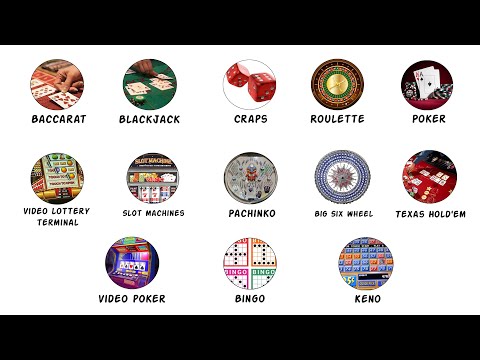
Volatility, distinct from house edge, dictates the frequency and magnitude of payouts, directly challenging player risk tolerance. High-volatility games, like classic slots, yield infrequent but large wins, appealing to players with high tolerance for bankroll fluctuations. Conversely, low-volatility games, such as blackjack or baccarat, offer smaller, consistent returns, suiting risk-averse players who prioritize session longevity over jackpot potential. Your tolerance must align with volatility level; mismatching leads to premature bankroll depletion or boredom. A player’s emotional and financial capacity for variance determines which games sustain engagement without exceeding acceptable loss thresholds.
| Player Risk Tolerance | Volatility Preference | Typical Game |
|---|---|---|
| Low | Low volatility | Baccarat (banker bet) |
| High | High volatility | Video poker (max bet) |
| Moderate | Medium volatility | Craps (pass line) |
Timeless Classic: The Wheel and Its Numbers
The Timeless Classic: The Wheel and Its Numbers is the beating heart of every roulette table, where your entire strategy revolves around predicting where the ball will land. Whether you bet on a single lucky number for a 35:1 payout or play it safe with red/black, each spin is independent and random. A key insight is that the wheel’s physical imbalances don’t exist in modern casinos—the house edge is built into the zero pockets.
Inside bets offer thrills, outside bets stretch your bankroll, and the wheel doesn’t care about your last spin’s result.
Stick to bets that match your risk appetite, and remember that the numbers 17 and 7 hold no special power beyond casino lore.
Inside and Outside Bets Explained
Inside bets target specific numbers or small groups on the roulette layout, offering higher payouts but lower probability of hitting. Outside bets cover larger sections like red/black or odd/even, trading reduced payouts for nearly 50% win chances. Understanding this trade-off is essential for strategic bankroll management. Inside bets include straight, split, street, corner, and six-line wagers. Outside bets encompass dozens, columns, low/high, and color bets. A logical approach pairs outside coverage for stability with occasional inside bets for potential high returns.
- Inside bets (e.g., straight-up) offer payouts up to 35:1 with low odds.
- Outside bets (e.g., red/black) pay 1:1 but cover 18 numbers.
- Combining both bet types balances risk and reward in a session.
European vs. American Wheel Variations
The most critical split in roulette is the difference between single-zero and double-zero wheels. The European wheel features one zero (37 pockets), giving a house edge of just 2.7%. The American wheel adds an extra double-zero (38 pockets), nearly doubling the house edge to 5.26%. For players, this means your bankroll lasts significantly longer on the European layout. The betting layout appears similar, but that extra green pocket alters the odds on every straight-up, split, and even-money bet. What is the one rule the American wheel lacks that European players love? The “en prison” rule, which gives your even-money bet a second life when the ball lands on zero—further reducing the European house edge.
Strategies Like Martingale and D’Alembert
When you’re spinning the wheel, strategies like the Martingale and D’Alembert offer structured ways to chase losses or lock in small wins. The Martingale doubles your bet after every loss, aiming to recover everything with one win, but it demands deep pockets. The D’Alembert is gentler, raising or lowering your stake by a single unit based on wins or losses. Both are progressions that rely on the wheel’s even-money bets. They can’t beat the house edge, but they give you a manageable betting framework for longer play sessions without wild swings.
Poker: Where Skill Meets Chance
Poker stands apart from other casino games because it uniquely merges strategic skill with unpredictable chance. Unlike slots or roulette, your decisions directly influence the outcome. You read opponents, calculate pot odds, and bluff effectively, turning a random deal into a calculated advantage. Mastering position at the table is critical to controlling the flow of the hand. This skill-based edge means consistent players can overcome the house’s statistical advantage over time, making poker the only casino game where your knowledge and discipline truly shape your success.
Bluffing and Reading Opponents
Mastering bluffing and reading opponents transforms poker from a gamble into a psychological battle. You execute a bluff by telling a consistent story through your betting pattern, forcing opponents to fold superior hands. Conversely, you read opponents by tracking their timing, bet sizing, and physical tells—like trembling hands or prolonged pauses. A successful bluff exploits a specific read: an opponent who folds too often to aggression. Never bluff calling stations; only bluff the disciplined. Conversely, intercept a bluff by spotting when an opponent’s story clashes with the board texture. This reciprocal skill is the edge separating consistent winners from mere participants.
Texas Hold’em vs. Omaha Basics
In Texas Hold’em, you get two hole cards and must use five community cards to build the best hand. Omaha deals four hole cards, but you must use exactly two of them with three from the board. This forces stronger starting hand requirements in Omaha, as draws and big pairs dominate. For basics, focus on this sequence:
- Learn hand rankings first.
- Memorize starting hand differences—pairs are weaker in Omaha.
- Practice reading board textures for both games.
Omaha often rewards patience more than aggression. Your strategy shifts: Hold’em favors bluffs, Omaha favors made hands.
Tournament Play vs. Cash Tables
In poker, your choice between tournament play and cash tables shapes the entire experience. At a cash table, you buy in for a set amount and can leave anytime, cashing out your chips for real money—perfect for flexible, low-pressure sessions. Tournaments, however, demand you fight through rising blinds with a fixed stack until one player wins all, creating a high-stakes race where survival versus chip accumulation changes your strategy completely. Cash games reward steady, profitable decisions, while tournaments require aggressive gambles to outlast opponents.
Cash tables offer freedom to come and go; tournaments lock you in a battle to the top, where survival and aggression clash for the prize.
Blackjack: The Pursuit of 21
In the realm of casino games, Blackjack: The Pursuit of 21 offers a dynamic twist on classic blackjack by emphasizing the player’s journey to hit a perfect hand count. Unlike standard tables, this variant often integrates side bets for reaching 21 with specific card combinations, increasing the thrill of every draw. You must decide when to chase the goal of 21 with a risky hit or stand with a lower total, making each decision feel like a tactical gamble. The dealer’s upcard constantly pressures your strategy, turning passive play into an active pursuit of that elusive numerical target.
Basic Strategy and Card Counting
Basic Strategy is a mathematically-proven set of decisions that tells you exactly when to hit, stand, double, or split based on your hand and the dealer’s upcard, removing guesswork to minimize the house edge. Card Counting builds on this by tracking high and low cards remaining in the deck to adjust your bets and plays when the odds shift in your favor. For practical play, mastering Basic Strategy first is essential before attempting counting.
- Basic Strategy charts show the perfect move for every hand combination.
- Card Counting uses a running tally (like +1 for low cards, -1 for high cards) to gauge deck advantage.
- Even with perfect counting, you gain only a 1–2% edge over the house.
- Practicing Basic Strategy until automatic is the foundation for any counting system.
Dealer Rules and Player Decisions
The dealer’s fixed actions—hitting on 16 and standing on 17—create a predictable baseline that directly shapes your choices. Player decisions hinge on basic strategy, where you must hit, stand, split, or double based on your hand’s total versus the dealer’s upcard. Dealer blackjack, paid 3:2, forces you to risk insurance bets only when facing 99xo an Ace. Your choice to stand at 12-16 against dealer 2-6 or to hit against 7-Ace leverages this rigid dealer behavior, turning probability into your edge. A surrendered weak 16 versus dealer 9 reduces losses.
| Dealer Rule | Your Decision Trigger |
|---|---|
| Dealer stands on soft 17 | Double down on 11 vs dealer 10 |
| Dealer hits on soft 17 | Stand on 18 vs dealer Ace |
| Dealer peeks for blackjack | Never take insurance unless card counting |
Side Bets and Their Pitfalls
Side bets in blackjack, such as Perfect Pairs or 21+3, pit players against significantly higher house edges than the main game, often exceeding 10%. Their allure is the promise of large payouts, but this comes at the cost of eroding bankrolls faster through reduced long-term probability. Unlike basic strategy, which optimizes odds, side bets rely on rare event chains that offer no strategic control. They fundamentally shift focus from beating the dealer to chasing unlikely card combinations, making them a high-risk diversion.
- House edges on side bets (e.g., 10–15%) are far worse than standard blackjack’s sub-1% edge with perfect play.
- They encourage chasing small jackpot odds, leading to faster, predictable bankroll depletion.
- Side bets often have no correlation to the main hand, creating cognitive clutter during decision-making.
Slot Machines and Digital Reels
In casino games, slot machines use digital reels that are driven by a Random Number Generator (RNG) to determine each spin’s outcome independently. Unlike physical reels with fixed stops, digital reels allow for millions of virtual stopping positions, enabling complex payline structures and diverse symbol distributions. Practical gameplay advice: always check the paytable for each game’s reel volatility and hit frequency, as this directly impacts how often and how much you win. Q: Do digital reels run in cycles? A: No, each spin is a completely random event; the RNG ensures no pattern or cycle exists between spins. Modern digital reels also support cascading wins, where winning symbols are removed and replaced, offering sequential payouts from a single spin.
Random Number Generators in Action
When you press spin, the Random Number Generator in Action instantly determines every symbol stop, making each outcome entirely unpredictable. This process runs continuously, selecting thousands of numbers per second even when idle, so the moment you click is the precise number used. The result directly controls digital reel behavior—no patterns, no memory. You experience true chance on every hand or spin, without any influence from past results.
- Seeds each spin with a new, unpredictable number for independent outcomes
- Maps numbers directly to symbol positions on the digital reels
- Prevents any manipulation or prediction of future results
Progressive Jackpots and Payout Rates
Progressive jackpots accumulate a portion of every bet into a single, life-changing prize pool, directly influencing the volatility and payout rates. Unlike fixed slots, these games typically feature a lower base RTP (Return to Player) because the “jackpot contribution” funds the massive top prize. Your real payout rate fluctuates: you lose more frequently on standard spins, but the potential for a single huge win drastically alters the effective return. Does a lower base RTP make progressive slots a bad value? Not if you understand the trade-off—you accept reduced small wins for the small chance of hitting the game’s funded jackpot, which can exceed a million-to-one payout on a single spin.
Themes, Features, and Bonus Rounds
Modern slot machines captivate players through diverse themes, features, and bonus rounds, transforming simple reels into immersive adventures. Themes range from ancient mythology to blockbuster movies, creating visual storytelling that hooks engagement. Features like wild symbols, scatters, and cascading reels introduce unpredictable wins, while bonus rounds unlock free spins, pick-a-prize games, or progressive jackpots. These interactive elements layer excitement beyond base gameplay, offering dynamic pauses where strategy or pure luck can amplify rewards.
- Themes use detailed graphics and soundtracks to build atmosphere, from haunted mansions to treasure hunts.
- Features such as multipliers or expanding wilds often trigger within the main reel set, boosting payouts mid-spin.
- Bonus rounds typically activate via scatter symbols, granting access to unique mini-games like wheel spins or boss battles.
- Some bonus rounds are retriggerable, extending play and increasing the chance of hitting top-tier prizes.
Dice and Craps: Fast-Paced Action
Dice and Craps delivers the most intense, fast-paced action on any casino floor. Every roll resolves in seconds, creating a relentless rhythm of wins and losses that demands quick decisions. You are not passively observing; you are actively calling bets on the Pass Line or placing Come bets before the stickman pushes the dice. Smart players learn to ride the streak of a hot shooter rather than fighting the table’s momentum. The key is to master the core bets—like Don’t Pass and Place bets on the 6 or 8—which offer surprisingly favorable odds amid the chaos. This is the ultimate live-action casino experience, where skill in reading the table’s flow directly impacts your session.
Pass Line and Come Bets Made Simple
In craps, the Pass Line bet wins on a come-out roll of 7 or 11, and loses on 2, 3, or 12. If a point (4,5,6,8,9,10) is set, the bet wins if that point repeats before a 7. The Come Bet works identically but from a different roll, essentially a delayed Pass Line for subsequent throws. After a point is established for a Come Bet, your chip moves to that number, and it wins if the number rolls before a 7. Both bets share true odds, and you can take free odds behind them to reduce the house edge significantly.
Odds Bets to Reduce the House Edge
In craps, the pass line bet carries a 1.41% house edge, but placing an Odds Bet to Reduce the House Edge behind it completely eliminates the house advantage on that additional wager. This “free odds” bet pays true mathematical odds (e.g., 2:1 on point 4 or 10) with zero casino margin. By always taking maximum odds allowed at the table, you lower the combined house edge to under 0.4%, making it the most player-favorable bet in the casino.
Q: How does an odds bet reduce the house edge in craps?
A: It pays at true odds with no built-in casino advantage, so adding it dilutes the low house edge of the original pass line bet, resulting in a lower combined edge for the total wager.
Shooting Etiquette at the Table
At a lively craps table, shooting etiquette at the table demands respect for the rhythm of the game. Always wait for the stickman to push the dice to you, then pick them up with one hand. Keep your throws consistent and low to avoid knocking over chips or hitting other players. Never throw the dice before the previous bet is settled or alter your grip mid-round. Chatting is fine, but don’t distract the shooter during their roll. The moment the dice leave your hand, freeze—no sudden movements until they land.

- Use only one hand to handle the dice
- Aim for the back wall with a smooth, low arc
- Don’t call bets or move chips while the dice are in the air
Baccarat: Elegance Without Complexity
Among casino games, Baccarat represents a rare fusion of high-stakes atmosphere and straightforward rules, defining its “Elegance Without Complexity.” Players choose only between the Player, Banker, or Tie hand, with the dealer handling all card draws based on fixed rules. This eliminates strategic decisions, making the game accessible to newcomers while preserving a sophisticated table setting. The minimal house edge on Banker bets and rapid, two-card rounds further enhance its appeal. Unlike games requiring complex counting or bluffing, Baccarat offers pure chance wrapped in ceremonial pacing, providing a refined yet uncomplicated Baccarat experience that focuses solely on the anticipation of the reveal.
Player, Banker, and Tie Bets
In Baccarat, your main action is picking the Player, Banker, and Tie bets. The Banker bet wins most often, though the casino takes a small cut. Player bets pay even money but have a slightly higher house edge. The Tie bet pays 8:1 or 9:1, but hits rarely. Stick to Banker or Player for the best odds.
| Bet | Payout | House Edge |
|---|---|---|
| Banker | 1:1 (minus 5% commission) | ~1.06% |
| Player | 1:1 | ~1.24% |
| Tie | 8:1 or 9:1 | ~14.36% |
Commission and Betting Patterns
In baccarat, the commission and betting patterns directly shape your strategy, as the Banker bet’s 5% commission is the house’s primary edge. To avoid eroding profits, you must track this fee per hand, often settling it in chips before the next deal. Player bets pay even money without commission, offering cleaner returns but a slightly higher house advantage. A clear sequence emerges: first, decide your pattern—stick to Banker for lower edge despite the commission, or alternate to Player for simplicity. Second, manage your stack around the commission’s cumulative effect, using small bets to absorb its impact over time. Finally, avoid Tie bets entirely, as their high commission-free payout masks a brutal house advantage.
Popularity in High-Stakes Rooms
In high-stakes rooms, baccarat’s popularity isn’t accidental—it’s driven by simplicity under pressure. Wealthy players gravitate to it because there are no complex decisions clouding the action, just clear bets on Player or Banker. This minimal decision making creates a calm, focused atmosphere even with massive sums on the table. You’ll see the same faces night after night, as repeat high rollers trust the game’s straightforward rhythm over flashier, more chaotic options. It’s the go-to choice when the stakes feel serious but you still want a relaxed, social vibe without overthinking every move.
Video Poker as a Hybrid
Video Poker is a compelling hybrid that merges the strategic depth of table games with the solitary speed of slots. Unlike pure slot machines, your decisions directly affect the outcome, making it a game of skill disguised as a machine. This blend offers a unique advantage: a lower house edge than most electronic games when you play optimal strategy.
Mastering basic video poker strategy is the only way to turn a casino game into a near-even proposition.
The result is a game where you actively influence your odds, offering a faster-paced, more engaging alternative to traditional poker tables without the social pressure or slow dealer pace.
Paytables and Optimal Play
In video poker’s hybrid nature, a game’s paytable is the single most critical factor, dictating the house edge entirely. Optimal play is the mathematically precise strategy that exploits this paytable, forcing the player to discard cards in a specific sequence to maximize expected return. A full-pay “9/6” Jacks or Better table, for example, yields over 99.5% return with perfect strategic execution. Deviating from optimal play for a hunch or chasing a flush can cost several percentage points of equity, turning a near-even game into a quick loss. Mastering the paytable and memorizing the corresponding strategy chart is the only way to bridge the gap between house edge and player skill.
Paytables set the mathematical framework; optimal play executes every decision within that framework to minimize the house edge and maximize player returns.
Jacks or Better vs. Deuces Wild
In video poker’s hybrid blend of slots and poker, the core strategic divide between Jacks or Better and Deuces Wild centers on hand rankings and paytable pressure. Jacks or Better is the baseline game, where a pair of jacks or higher is the minimum paying hand, rewarding players who focus on standard poker hierarchy. Deuces Wild introduces wild twos, drastically altering strategy: all four deuces become wild card substitutions, which shifts the goal toward maximizing wild combinations. This change forces a trade-off—Deuces Wild offers more frequent small wins but demands memorizing specific discard-save rules to avoid costly errors. Key practical differences include:
- Bankroll volatility: Deuces Wild typically has higher variance due to wild-driven quads.
- Optimal strategy: Jacks or Better requires simpler “hold high cards” decisions; Deuces Wild thrives on aggressive deuce retention.
Converting Strategy into Returns
Converting strategy into returns in video poker demands precise execution on hybrid hands. Unlike slots, your returns hinge on choosing the correct hold for each deal, directly impacting the game’s low house edge. A strong strategy identifies high-value draws—like discarding a single high card to chase a royal flush—while avoiding common traps that erode your edge. This disciplined approach turns theoretical odds into tangible payouts.
- Always consult a strategy chart for maximizing expected value returns on close-call holds.
- Prioritize holding four cards to a royal flush over a low pair to unlock the highest payout potential.
- Discard suited 10-Jack combos if a single high card aligns with a better drawing hand.
Live Dealer and Virtual Platforms
Live dealer games bridge the gap between online play and a real casino, letting you watch a human host spin the roulette wheel or deal blackjack via video stream. You can chat with the dealer in real-time, which makes the experience feel more social than standard RNG games. Virtual platforms, on the other hand, use computer-generated tables and cards for faster, automated rounds, meaning no waiting for other players to bet. Both options let you play at any hour from your couch, but the choice comes down to whether you want human interaction or rapid, self-paced action. Oddly enough, virtual games often have lower minimum bets than live dealer tables.
Streaming Technology for Realism
High-definition cameras with multiple angles capture every shuffle and spin, transmitting lossless 4K video to eliminate delay. Optical character recognition instantaneously digitizes physical card values and roulette outcomes, synchronizing them with the digital interface. Bitrate management prioritizes card edges and dealer hand movements over ambient table textures to reduce latency without sacrificing visual clarity. Adaptive streaming adjusts resolution dynamically based on a user’s connection, ensuring uninterrupted gameplay even during bandwidth fluctuations.
Streaming Technology for Realism bridges the tactile casino environment with remote play through zero-latency video, precise OCR digitization, and resolution scaling that preserves authentic table physics.
Mobile Play and User Experience
Mobile play transforms live dealer interaction by demanding responsive, low-latency streaming optimized for smaller screens. Touch controls must be intuitive for placing bets and selecting camera angles without obscuring the game field. Touchscreen-optimized interface design directly determines session retention, as accidental taps or lag degrade immersion. The switch from landscape to portrait view often sacrifices dealer visibility for single-handed convenience, a trade-off studios now minimize via dynamic overlay scaling.
Q: Does mobile play reduce the number of available camera angles in live dealer games?
A: Yes, typically. Bandwidth and screen real estate constraints reduce multi-angle feeds to two or three default views, though pinch-to-zoom on the main table feed can emulate partial control.
RNG vs. Live Interaction Tradeoffs
Choosing between RNG-based games and live dealer tables hinges on your priority for speed versus authenticity. RNG games deliver rapid, solitary rounds with predictable house edges, ideal for grinding through many spins or hands without social delay. Live dealer tables sacrifice this pace, introducing human interaction, card shuffling, and waiting time, but offer verifiable physical actions. The tradeoff is clear: for pure, automated efficiency in decision-making, choose RNG; for immersive, trust-building social engagement, choose live. Your preference dictates the optimal platform experience.
- RNG enables faster, anonymous play with automated outcomes and no table waiting.
- Live interaction slows the game but provides real-time human dealing and peer dynamics.
- Hybrid platforms now exist, but the core tradeoff remains speed versus social transparency.
Bankroll Management Essentials
Bankroll management essentials mean deciding your total loss limit before you sit down and never chasing losses. For any casino game, whether slots or blackjack, your session bankroll should be a fraction of your overall gambling funds. A common rule is to bet no more than 1-5% of your session bankroll per hand or spin, so you survive losing streaks. What’s the golden rule for setting a session bankroll? It should be money you can lose entirely without it affecting your daily life or bills. Stick to rigid time limits too—walking away when you’re up protects your profits from a single bad round. Losing your discipline is the fastest way to empty your stack.
Setting Limits Before You Play

Before you spin or deal, setting strict loss and time limits is your first move. Decide exactly how much cash you’re okay losing—never chase by dipping into rent or savings. Use a timer or phone alarm to cap your session, and walk away when it goes off, win or lose. A simple sequence helps:
- Pick your max loss amount.
- Set a hard stop time.
- Cash out immediately when either hits.
This isn’t about winning—it’s about keeping the fun from turning into a headache. Pre-commitment saves your bankroll for tomorrow’s game.
Unit Sizing and Session Length
Unit sizing dictates the monetary value of each individual bet, calculated as a fixed percentage of your total bankroll—typically between one and five percent for casino games. This ensures no single loss devastates your funds. Session length, the predetermined time or hands played, prevents fatigue-driven errors. Follow this sequence:
- Define your unit size (e.g., 2% of bankroll per bet).
- Set a hard stop-loss limit (e.g., 10 units lost).
- Impose a time cap (e.g., 60 minutes).
Adherence to strict session stop-loss limits is non-negotiable for preserving capital across multiple play sessions. Never deviate from these predefined boundaries, regardless of transient wins or losses.

Avoiding the Chasing Mentality
Avoiding the chasing mentality is critical for bankroll survival. When losses mount, the impulse to increase bet sizes to recover quickly often accelerates depletion. This behavior ignores probability, as each spin or hand remains independent of prior outcomes. Set a strict loss limit before playing; once reached, walk away. Accepting a small, planned loss preserves funds for future sessions. By resisting the urge to chase, you enforce discipline, ensuring your bankroll endures through variance. This approach prioritizes long-term sustainability over short-term emotional recovery.
Psychology of Wagering
Near-misses in slots trigger the same brain reward pathways as actual wins, tricking players into believing a loss was a “close call” and encouraging continued play. This illusion of control is amplified in games like blackjack, where strategic choices—even meaningless ones—create a false sense of skill overriding pure chance. The variable-ratio reward schedule of slot machines, where payouts are unpredictable, creates the strongest behavioral reinforcement, often leading to “chasing losses” as dopamine drives irrational persistence. Q: Why do players feel compelled to bet again after a near-win? A: The brain’s reward system misinterprets the near-miss as an impending victory, fueling hope and overriding logical odds. Losses disguised as “almost wins” are the most psychologically potent wager in any casino game.
Near Misses and Reward Systems
In the psychology of wagering, near misses and reward systems exploit the brain’s reward pathways to sustain play. A near miss—like two matching symbols with the third just off—activates the same dopamine response as a real win, tricking the player into feeling “close” to success. Reward systems, such as intermittent variable-ratio schedules, deliver unpredictable payouts that heighten anticipation and make losses feel temporary. These mechanics together encourage continued betting, as the player’s brain mistakes a near miss for progress, while sporadic rewards reinforce the belief that a big payout is imminent.
- Near misses feel like wins to the brain, increasing motivation to continue playing.
- Variable-ratio reward schedules are designed to make the next spin feel potentially decisive.
- Auditory and visual cues during near misses amplify excitement, mimicking a real payout.
- These systems create a false sense of control, making players overestimate their odds.
Gambler’s Fallacy and Hot Streaks
The cognitive trap of gambler’s fallacy convinces you that a blackjack losing streak means a win is “due,” but each hand remains statistically independent. Conversely, hot streak belief tricks you into overbetting after consecutive wins, falsely assuming momentum will continue. In truth, neither streak alters the underlying house edge—a roulette wheel has no memory, and a craps dice roll doesn’t know it just hit seven. Chasing a correction or riding a “hot” table both ignore randomness. Recognizing these biases helps you avoid escalating bets based on past outcomes, keeping your wager discipline tied to probability, not superstition.
Emotional Control at the Tables
Maintaining emotional composure at the tables is the divide between calculated play and costly error. When a loss triggers frustration, you enter a state of tilt, making reckless bets to chase a recovery. Conversely, a big win can spark overconfidence, leading you to raise stakes beyond your strategy. The core skill is recognizing these physiological shifts—a racing heart, tense shoulders—and immediately stepping away before acting. This self-awareness allows you to enforce preset loss limits and resist the urge to deviate from your bankroll plan, ensuring every decision remains rational, not reactive.
Regulations and Fair Play
Regulations ensure casino games operate under strict oversight, with independent auditors verifying that Random Number Generators produce truly unpredictable outcomes. Fair play depends on provably transparent game mechanics, where the house edge is clearly stated and cannot be manipulated mid-play. You should only engage with games certified by trusted testing agencies, as this guarantees the rules you see are the rules applied. Understanding the specific return-to-player percentages for each game empowers you to make informed choices about your session’s potential longevity. Ultimately, adherence to these standards creates a level field where skill and chance interact honestly, protecting your stake from hidden biases or arbitrary results.
Licensing and Auditing Bodies
Licensing and auditing bodies ensure casino games operate with verified randomness and published return-to-player rates. The independent testing laboratories, such as eCOGRA or GLI, certify each game’s random number generator before it reaches players. A regulator’s seal of approval only means the game passed one strict audit, not that future outcomes are predictable. These bodies also mandate that audit reports are accessible, allowing you to confirm a game’s theoretical payout percentage before wagering.

Licensing and auditing bodies guarantee game integrity by certifying randomness and enforcing transparent payout verification through independent testing.
RTP Percentages and Certification
Think of RTP (Return to Player) as a game’s long-term payout promise—a 96% RTP means you’d theoretically get $96 back for every $100 wagered. Certified RTP percentages are verified by independent auditors like eCOGRA or iTech Labs, ensuring the number listed in the game’s info is accurate. Always check the RTP version, as some developers offer higher or lower percentages for the same slot. Certification also confirms the Random Number Generator isn’t rigged, protecting fair play.
| Aspect | What It Means |
|---|---|
| RTP | Average theoretical return over millions of spins |
| Certification | Third-party seal verifying RTP and RNG fairness |
Responsible Gambling Tools
Effective responsible gambling tools empower players to maintain control over their casino gameplay. Deposit limits allow you to set a maximum amount you can fund your account within a chosen period, preventing overspending. Session timers and reality checks provide pop-up notifications of your elapsed playtime, helping curb extended sessions. Self-exclusion tools let you block access to your account for a defined period, from 24 hours to permanent closure. Loss limits restrict financial exposure by halting play once a predetermined loss threshold is reached. These voluntary controls are directly configurable within your account settings, offering precise, pre-emptive management of your gambling behavior.
| Tool | Primary Function |
|---|---|
| Deposit Limit | Caps net deposits over a daily, weekly, or monthly span. |
| Session Timer | Alerts you after a set duration of continuous play. |
| Loss Limit | Stops all betting once a specific net loss is incurred. |
| Self-Exclusion | Blocks account access entirely for a chosen period. |